Understand the site.
Make informed commitments.
Bring grading, drainage, access, and utility questions into the conversation early, while your team still has room to explore options.
A clearer basis for decisionsCIVIL ENGINEERING, PERSONALLY CONSIDERED
Exceptional places begin with informed decisions. We bring local knowledge and thoughtful civil design to the land beneath your vision.
Discuss your project Discover the Seabold approach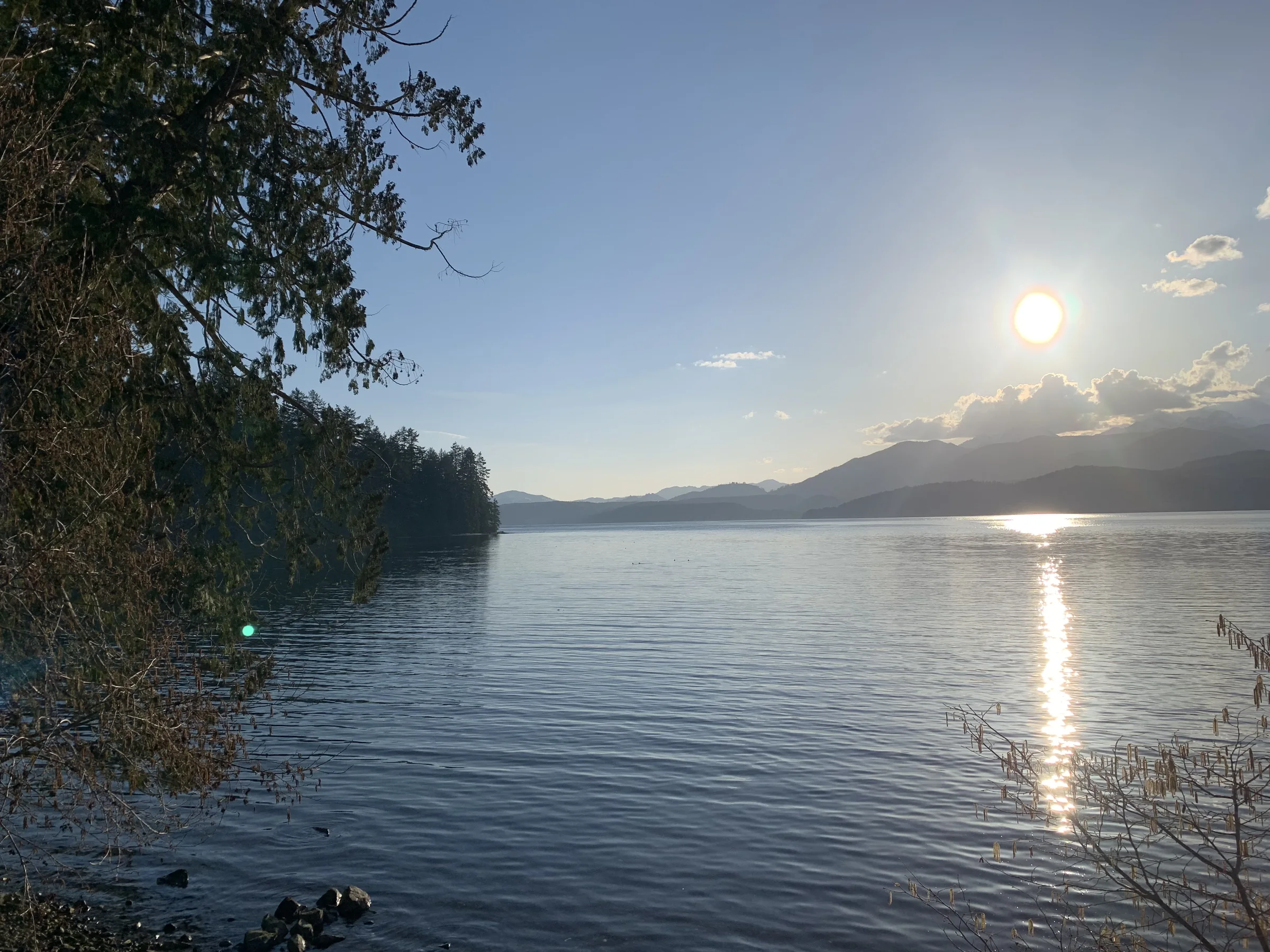
01 / THE VALUE OF GOOD ENGINEERING
It’s the drainage that fits the landscape. The access that works with the slope. The utility route considered before the plans are settled. These decisions shape the cost, character, and buildability of your project.
Bring grading, drainage, access, and utility questions into the conversation early, while your team still has room to explore options.
A clearer basis for decisionsA choice on a civil plan can affect excavation, paving, utility work, and usable space. We consider how those pieces fit together.
Attention to what drives site costsCoordinate the practical demands of the site with the architect’s vision, the landscape, and the work your builder needs to carry out.
A coordinated path forwardGood engineering earns its place through the decisions it informs—long before construction begins.
 A NORTHWEST PERSPECTIVE / LANDSCAPE & BUILT FORM
DESIGNED TO BELONG
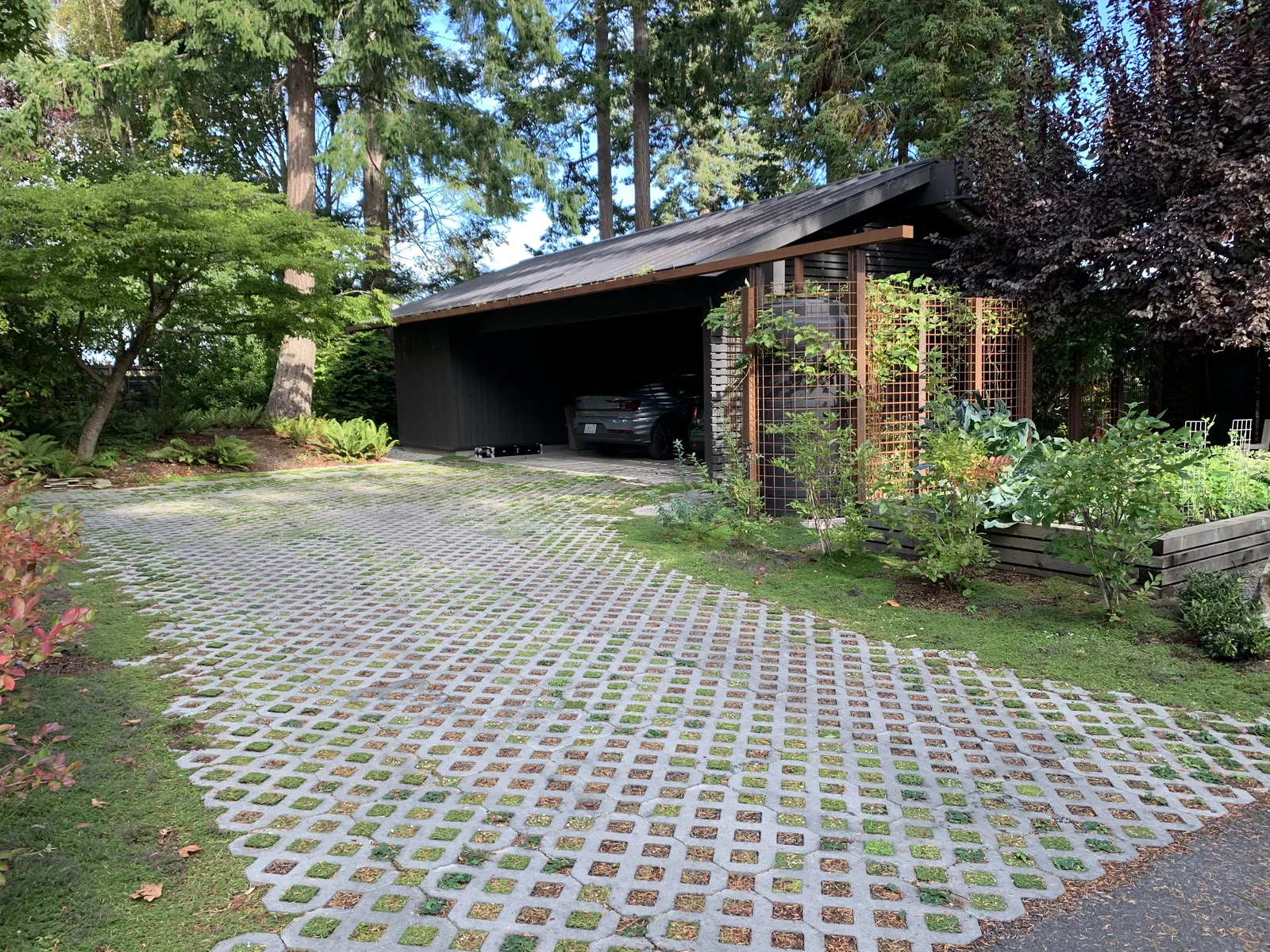
A beautiful site deserves a thoughtful response. The civil work should support the way a property looks, functions, and feels.
We approach grading, water, and access as connected design decisions, in conversation with the people shaping the building and landscape.
Explore our expertise02 / CIVIL EXPERTISE
Site engineering for custom homes and additions, commercial properties, and multifamily development.
Ground. Water. Access. Infrastructure.
Considered together.
Coordinate buildings, access, and finished grades with the terrain. Consider the relationship between earthwork, drainage, and the spaces you want to create.
WHY IT MATTERSEarly grading decisions can influence excavation needs, usable space, and how comfortably a building sits on its site.
Design sustainable and low impact stormwater systems as part of the overall site plan, with attention to drainage paths and applicable requirements.
WHY IT MATTERSConsidering stormwater early helps the design team allow for the space and connections a drainage solution needs.
Design water and sewer extensions in coordination with existing infrastructure, the site layout, and the relevant authorities.
WHY IT MATTERSUtility connections and routes can influence the layout and extent of site work. They deserve attention before the design is fixed.
Plan construction erosion controls around how soil and water move through the site during work.
WHY IT MATTERSConstruction changes how a site drains. A considered control plan gives the project team a basis for managing those conditions.
Bring roads, site access, and parking into a coordinated grading, drainage, and utility design.
WHY IT MATTERSAccess is both an everyday experience and a practical site requirement. Its alignment and grade affect the rest of the property.
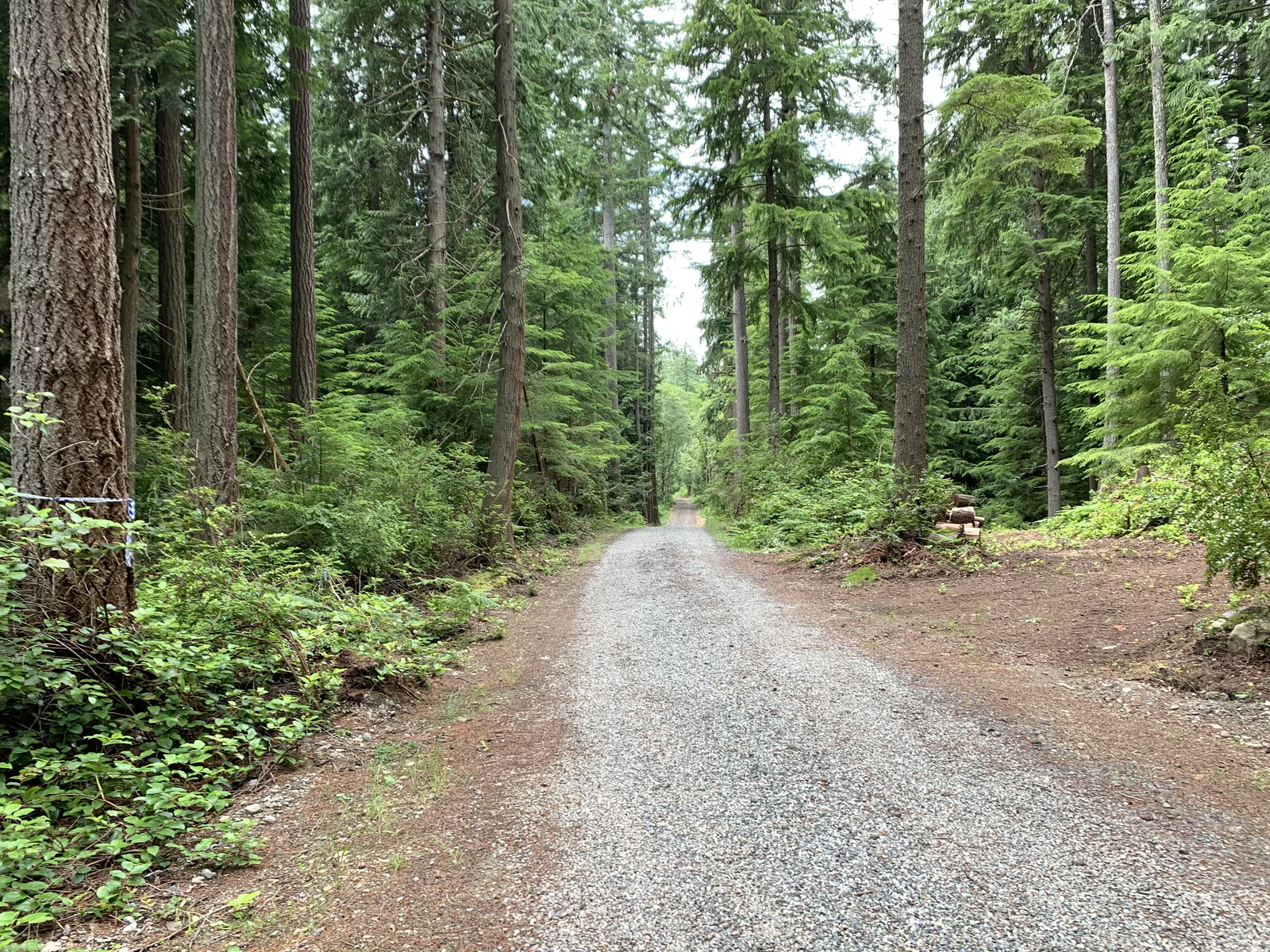
Bainbridge Island.
Kitsap County.
A place we know.
03 / THE PRACTICE
Work with the person behind the plans.
Seabold Engineering is led by Kelsey Laughlin, PE. Our small practice brings personal attention to the civil decisions that shape a property, with a particular focus on Bainbridge Island and Kitsap County.
Local experience brings useful context to conversations about site conditions, infrastructure, and regulatory review. We work with owners, architects, landscape architects, builders, site contractors, and reviewing authorities to bring those considerations into the design.
PRINCIPAL / SEABOLD ENGINEERING
04 / A CONSIDERED APPROACH
Civil engineering has the most room to help when it is part of the conversation from the beginning. Here is how we frame that conversation.
Discuss the property, your goals, existing information, and the questions your team needs to resolve.
Consider grading, drainage, access, and utilities alongside the building and landscape design.
Develop the agreed civil scope with attention to project coordination and the requirements of the reviewing authorities.
THE LAND IN CONTEXT
The relationship between land, water, and infrastructure is at the heart of our work.
Roads, grading, and utilities shape how a property can develop. Considering them together helps reveal the decisions that need attention.
How water moves through a landscape is part of the starting point for thoughtful drainage and site design.
BEFORE WE BEGIN
Early in site planning, ideally while the building location, access, and landscape are still being considered. You can start a conversation before every detail is settled. Share the property location and your goals so we can discuss where civil input may be useful.
Consider it alongside the site decisions it supports. Grading, drainage, and utility choices can affect construction scope and future design changes. A meaningful fee discussion starts with the property, the services needed, and the information already available. Contact us to discuss a scope suited to your project.
Yes. Seabold works with architects, landscape architects, owners, developers, builders, and site contractors. Civil design is part of a wider team effort, and early coordination helps keep the site and building plans aligned.
The property location, a brief description of your plans, and your current stage are a useful start. If available, a survey, preliminary site plan, or comments from the reviewing authority can add context. You do not need a complete set of drawings to get in touch.
YOUR NEXT STEP
A property you’re considering. A home taking shape.
A site with questions that need answers.
Tell Kelsey what you have in mind.
A USEFUL STARTING POINT
A few details to begin the conversation.